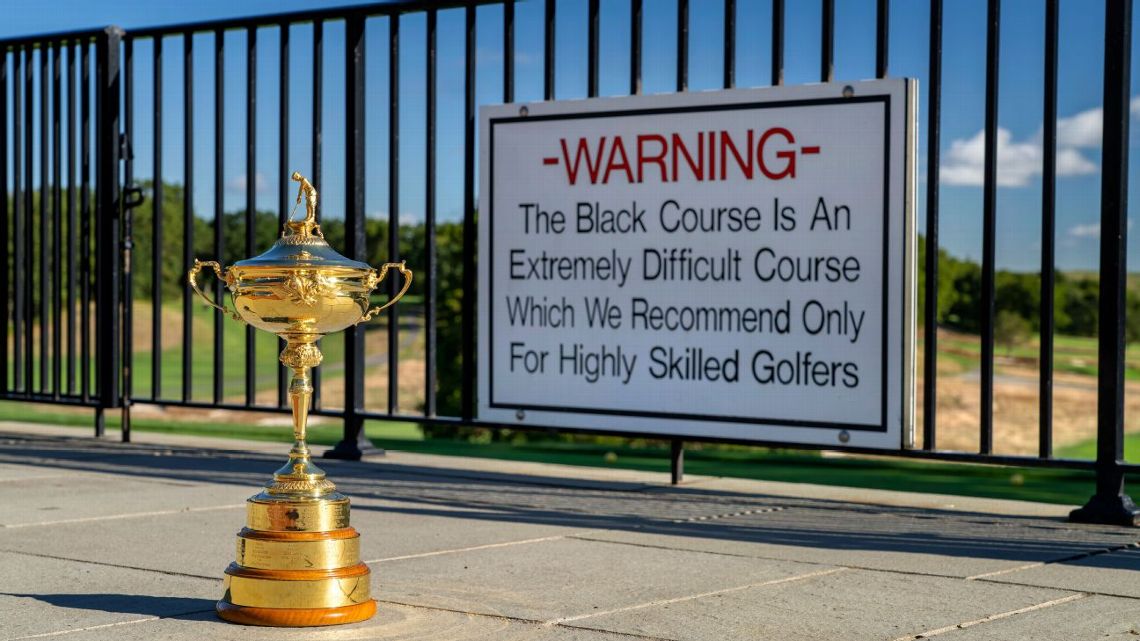
Beyond its modest green fees and its history as a U.S. Open venue where Tiger Woods triumphed in 2022, Bethpage Black in Farmingdale, New York, is renowned for its iconic warning sign. It boldly states: `WARNING — Bethpage Black is an extremely difficult course which we recommend only for highly skilled golfers.`
This sign serves as a formidable warning to all who play this distinctive American course, especially to the elite golfers of Team Europe and Team USA as they contend for the 45th Ryder Cup in 2025.
Bethpage Black stands apart. As one of five publicly owned municipal courses within Bethpage State Park, its design was unburdened by the need for everyday playability, acknowledging that its extreme difficulty wouldn`t appeal to regular members.
Its allure lies in its intricate design. According to Rees Jones, the renowned golf course architect who has overseen numerous redesigns of Bethpage over two decades, there`s a lot of thinking players have to do, especially off the tee.
That`s not the case for some of these championship golf courses, where they`ve taken out the trees and widened the fairways to 50 yards. While many courses are penal, Bethpage Black is uniquely so, demanding significant strategic play.
The strategies adopted by Team Europe and Team USA on Bethpage Black will be pivotal in determining the victor of the 45th Ryder Cup. We consulted with Jones for an exclusive hole-by-hole breakdown, offering insight into the anticipated gameplay.
- Hole 1: The Opening Challenge
- Par 4, 397 yards
- Expert Insight:
- Hole 2: A Birdie Opportunity
- Par 4, 389 yards
- Expert Insight:
- Hole 3: Extended Length
- Par 3, 210 yards
- Expert Insight:
- Hole 4: Pro-Friendly Par 5
- Par 5, 517 yards
- Expert Insight:
- Hole 5: Bethpage`s True Test Begins
- Par 4, 478 yards
- Expert Insight:
- Hole 6: The Critical Drive
- Par 4, 408 yards
- Expert Insight:
- Hole 7: A Conversion to Par 4
- Par 4, 524 yards
- Expert Insight:
- Hole 8: The Sole Water Hazard
- Par 3, 210 yards
- Expert Insight:
- Hole 9: The Massive Bunker`s Influence
- Par 4, 460 yards
- Expert Insight:
- Hole 10: Sergio`s Infamous Moment
- Par 4, 502 yards
- Expert Insight:
- Hole 11: Adapting to Conditions
- Par 4, 435 yards
- Expert Insight:
- Hole 12: Demanding the Driver
- Par 4, 496 yards
- Expert Insight:
- Hole 13: A Clear Birdie Opportunity
- Par 5, 608 yards
- Expert Insight:
- Hole 14: The Easiest Hole
- Par 3, 161 yards
- Expert Insight:
- Hole 15: The Course`s Toughest
- Par 4, 477 yards
- Expert Insight:
- Hole 16: The Leftward Drive
- Par 4, 539 yards
- Expert Insight:
- Hole 17: The Pressure Cooker Par 3
- Par 3, 179 yards
- Expert Insight:
- Hole 18: A Strategic Finish
- Par 4, 411 yards
- Expert Insight:
Hole 1: The Opening Challenge
Par 4, 397 yards
Expert Insight:
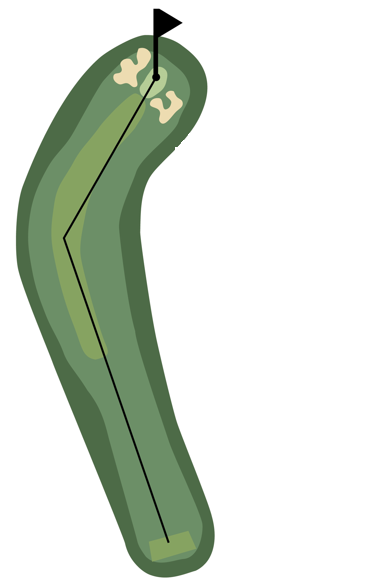
The tee for this year`s event has been relocated, with the original position now accommodating spectator stands. While usually a sharp dogleg, it`s currently less pronounced. Players will face a decision: attempt to carry the trees to reach near the green, or play a hybrid or iron off the tee, navigating the dogleg around the trees.
This is one of the rare holes where trees significantly influence play, unlike most others on the course where they primarily serve as framing. Here, they are a central obstacle. Despite its challenges, it`s not considered an overly difficult hole. The Ryder Cup format will alter strategies; given the very narrow green entrance, a layup is likely. In foursomes, caution will prevail, but in four-ball, expect at least one player to attempt a more aggressive shot.
Hole 2: A Birdie Opportunity
Par 4, 389 yards
Expert Insight:
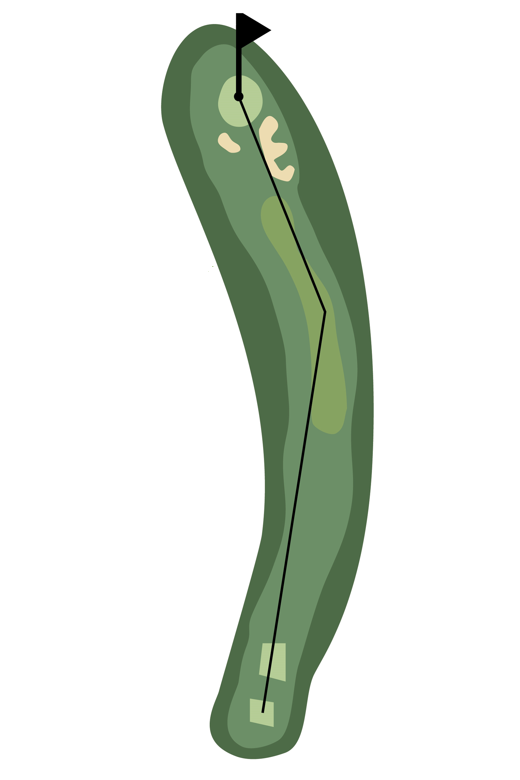
The second hole presents another chance for a birdie, allowing players a good start. It`s a short, straight par four leading to an elevated green. A hybrid or fairway wood layup off the tee is probable, enabling a full shot into the green. The elevated nature of the green means players won`t see the bottom of the flag, which can be the main challenge.
Hitting into the right rough is undesirable due to the side-hill lie, which would prevent effective ball spin. However, if the pin is placed at the front, the hole becomes less formidable, even without a clear visual of the shot.
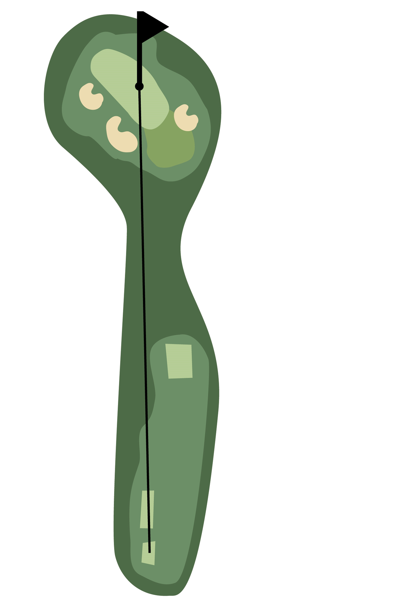
Hole 3: Extended Length
Par 3, 210 yards
Expert Insight:
Hole three was notably shorter before the 2002 U.S. Open, when its tee was substantially pushed back. For the Ryder Cup, organizers might position the pin in the back-left on a day they wish to encourage birdies.
It`s important to remember this is the Ryder Cup, not the PGA or U.S. Open. The course will likely be set up more forgivingly to promote excitement and birdies. Keegan Bradley, for example, will likely keep the fairway rough around two and a half inches and green-side rough over three inches, aiming for balls to stay near the surface if missed. This setup typically favors the players` skills and is a common strategy.
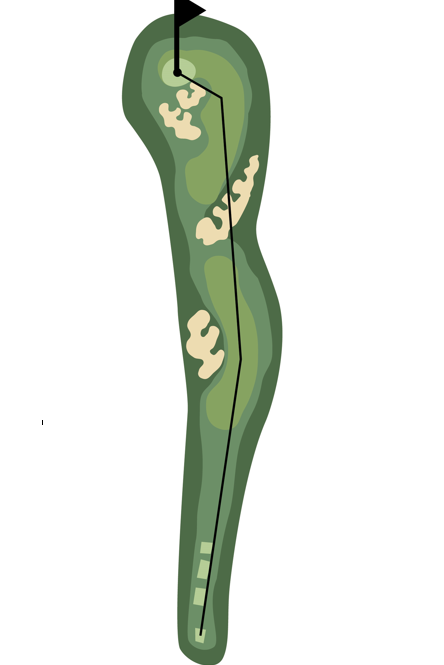
Hole 4: Pro-Friendly Par 5
Par 5, 517 yards
Expert Insight:
This is a renowned golf hole—a relatively short par five that will effectively play as a par four during the Ryder Cup. Paradoxically, it`s one of the hardest holes for everyday players at Bethpage, yet one of the easiest for professionals during major events.
Amateurs struggle with the second shot due to a deep glacier bunker and an elevated fairway beyond. However, professionals, with their 300-yard drives, can likely land just short of the bunker with a mid-iron off the tee. The green slopes from front to back, so shots lacking spin can roll into a chipping area or further, requiring careful club selection. This will undoubtedly be a birdie hole, making three out of the first four holes potential birdie opportunities.
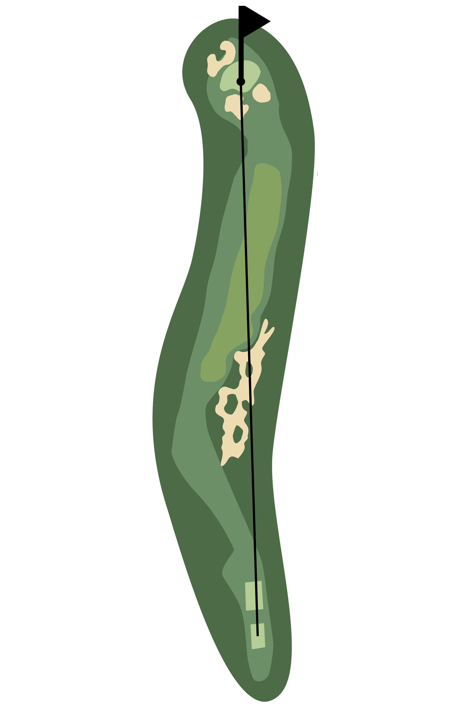
Hole 5: Bethpage`s True Test Begins
Par 4, 478 yards
Expert Insight:
Hole five marks where Bethpage Black truly reveals its difficulty. Its design is reminiscent of Pine Valley`s 16th hole, with a tree line on the left that obstructs the approach to the green. Players must carry an extended sand area on the right, as favoring the right side is crucial.
A shot to the left will be blocked, compelling players to risk the sandy area. While professionals` long drives might mitigate this concern, the hole features an elevated green with numerous undulations, subtle nuances, and heavy bunkering. Securing a par here is a good result.
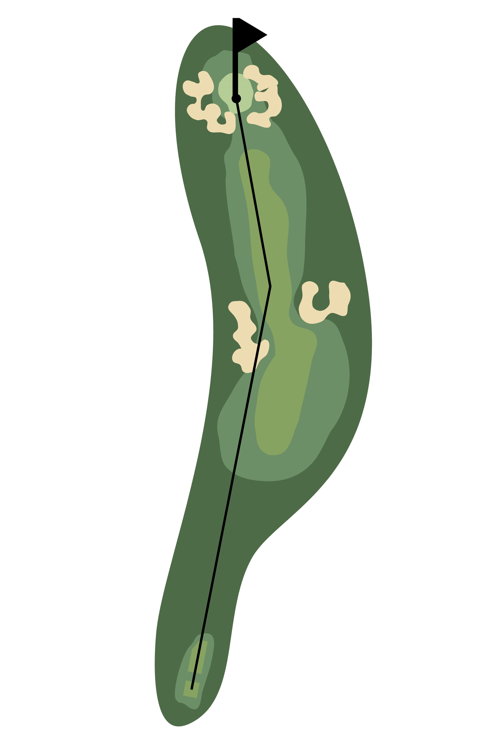
Hole 6: The Critical Drive
Par 4, 408 yards
Expert Insight:
Hole six is largely defined by the tee shot. It`s a short par four that drops significantly from 280 yards onward. Players must navigate bunkers if they cannot clear them, or hit a shorter shot to remain on top of the ridge.
Choosing to drive through a slot leaves a short flip shot into the green. However, staying on the ridge results in a 170 to 180-yard approach to a green entirely surrounded by bunkers. While going through the slot offers an advantage, it presents a difficult decision off the tee.
Hole 7: A Conversion to Par 4
Par 4, 524 yards
Expert Insight:
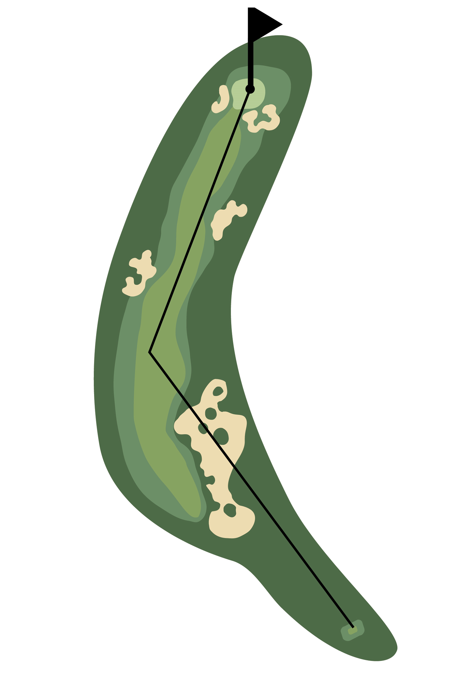
Originally a par five, this hole was converted to a par four for the 2002 U.S. Open and has remained so. During discussions with former USGA director David Fay about this change, Jones anticipated player complaints due to the sharp dogleg and encroaching trees on the right.
Fay, however, saw this as beneficial, believing that if players complained about this specific hole, they wouldn`t criticize the entire course. The drive is crucial here, as the trees are in play and the dogleg is substantial for a par four. Players will likely flirt with the trees to achieve a shorter approach shot. As a par five, it would have been played further left. The green is well-contoured but offers an open entrance.
Hole 8: The Sole Water Hazard
Par 3, 210 yards
Expert Insight:
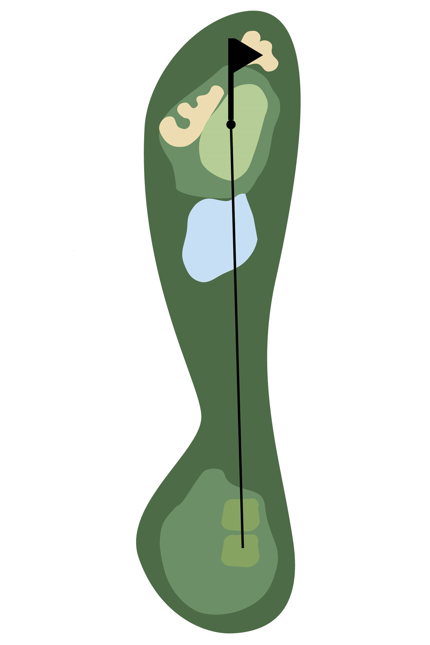
This downhill par three is unique as the only hole on the course featuring a water hazard. For a back pin location, players must allow the ball to release to the pin; attempting to fly it over will likely lead to significant recovery challenges.
For a front pin location, careful management of spin is required to use a subtle backstop on the green, without spinning the ball back into the water. This hole`s playability will vary greatly day by day. When Keegan seeks birdies, the pin will probably be placed in the middle.
Hole 9: The Massive Bunker`s Influence
Par 4, 460 yards
Expert Insight:
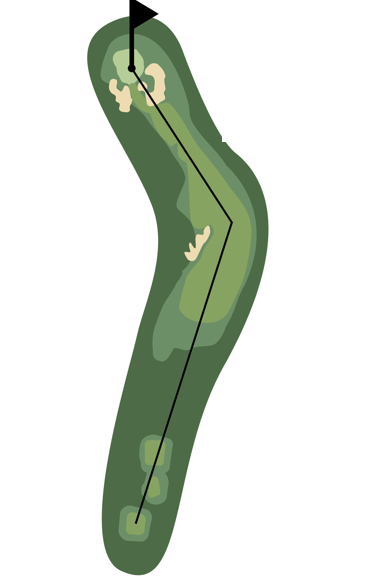
Hole nine is another efficient dogleg, significantly influenced by a massive bunker added at the turn. Players must challenge this bunker to remain on the elevated part of the fairway and avoid rolling right.
They will need to hit a long drive over this fairway bunker to secure the easiest approach to a well-protected, low-profile green. This green, like most on the course, is heavily bunkered and not protected by slopes.
Hole 10: Sergio`s Infamous Moment
Par 4, 502 yards
Expert Insight:
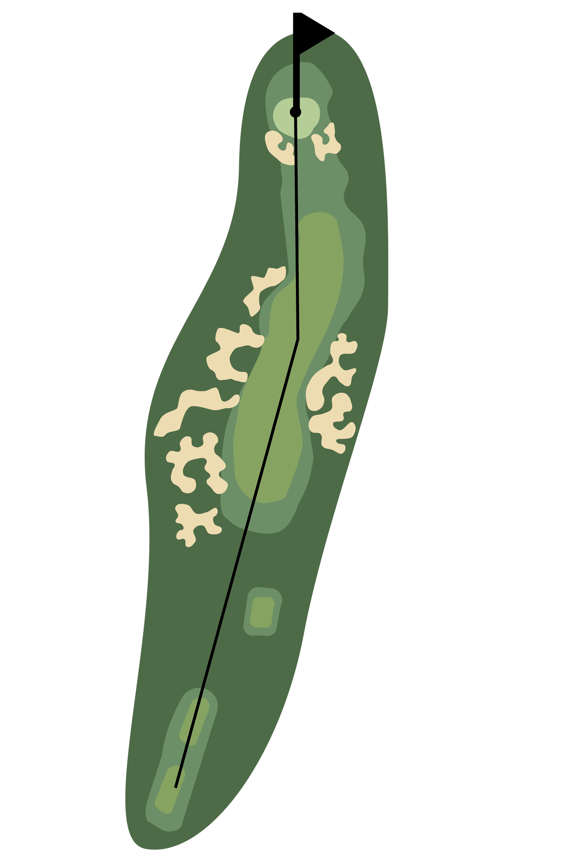
This hole gained notoriety at the 2002 U.S. Open when rough extended so far and a headwind coupled with rain made the fairway unreachable for shorter hitters. It was on this day that Sergio Garcia reacted memorably to the crowd.
The fairway now extends further back towards the tee. Bracketed by multiple bunkers, these hazards will factor into play off the tee on both holes 10 and 11, regardless of tee location. While it`s a tougher tee shot, it presents a wide target for these skilled players. This is a genuinely difficult hole, forming part of the `meat` of the course alongside holes 9, 11, and 12.
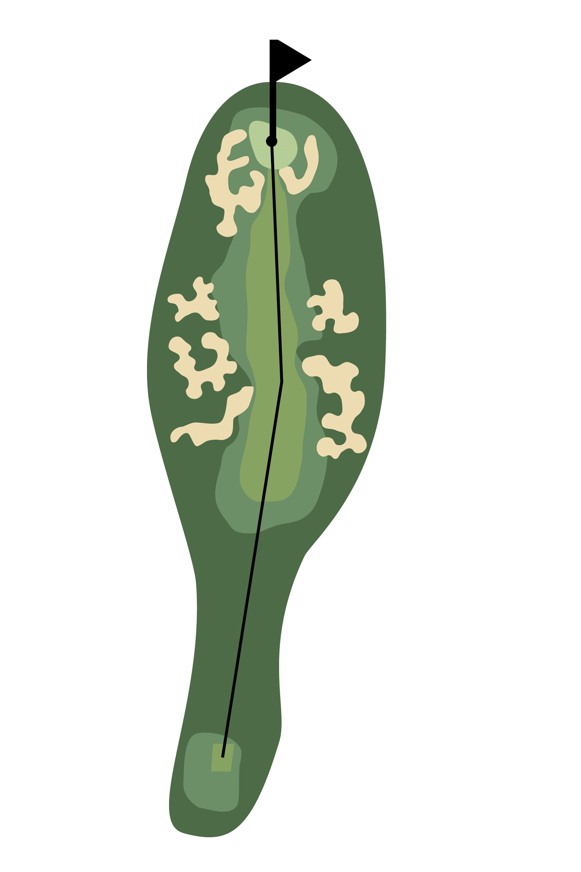
Hole 11: Adapting to Conditions
Par 4, 435 yards
Expert Insight:
The course turns here, moving in the opposite direction from Hole 10, meaning players could encounter downwind, into-the-wind, or crosswind conditions. This hole has a slight angle, allowing its character to be altered daily and for specific Ryder Cup matches by adjusting pin positions.
The back of the green has a slightly elevated, challenging spot. When Keegan aims for birdies, the pin will likely be placed in the middle-front.
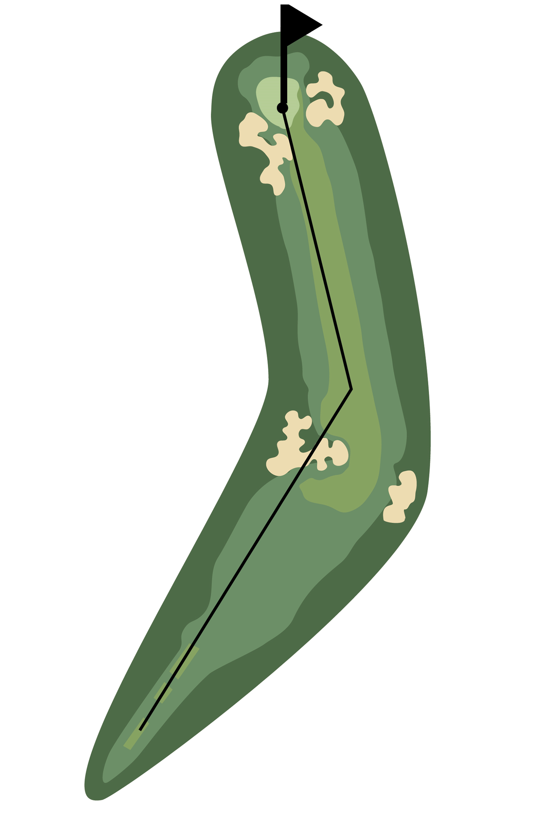
Hole 12: Demanding the Driver
Par 4, 496 yards
Expert Insight:
Hole 12 is unique as the only hole on the course that truly necessitates a driver, requiring a 280-yard tee shot to clear the bunker. This bunker extends slightly left, so a pulled shot short of 280 yards could still find the sand.
However, modern golf has evolved, and today`s players are unlikely to be intimidated by it, unlike some at the 2002 U.S. Open. Most will probably choose to fly over the cross bunker.
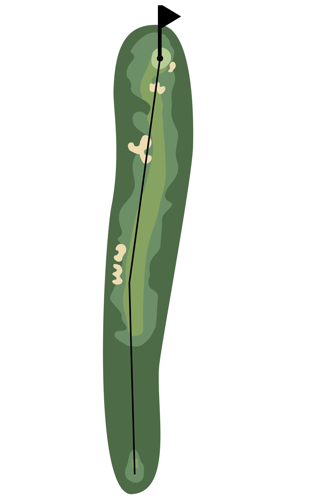
Hole 13: A Clear Birdie Opportunity
Par 5, 608 yards
Expert Insight:
Hole 13 presents a birdie opportunity. A cross bunker located approximately 30 yards short of the green will likely not come into play for professionals unless their tee shot lands in the rough.
While the tee has been progressively pushed back over time, it will probably be played shorter for this event. The green is fairly straightforward, and a high number of birdies are anticipated on this hole.
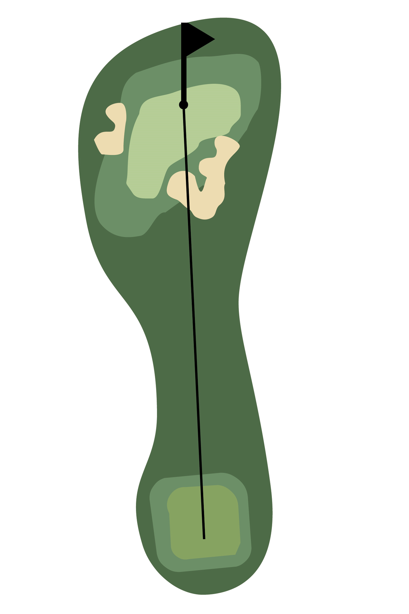
Hole 14: The Easiest Hole
Par 3, 161 yards
Expert Insight:
Hole 14 is considered the easiest on the course. It`s a short par three with a bunker at the front and to the left. The green features a narrow `tongue` in the front-left, which represents a challenging pin position. Hopefully, organizers will utilize this position on one day, as it`s very difficult to access.
Players might opt to play safely to the middle and putt back. However, aiming for that specific pin position requires hitting a very small target. Aside from that particular setup, this hole will be a consistent source of birdies.
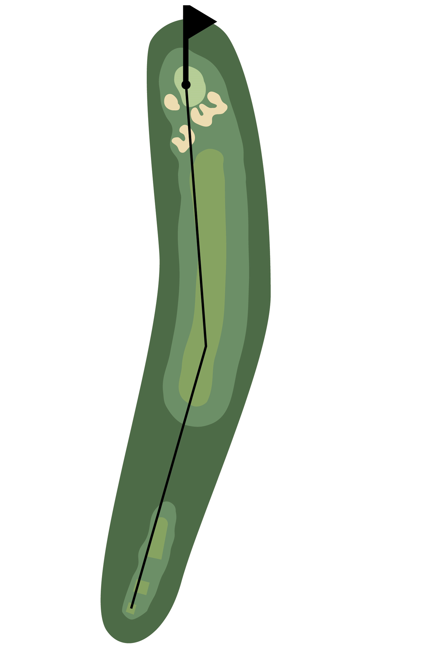
Hole 15: The Course`s Toughest
Par 4, 477 yards
Expert Insight:
Hole 15 is unequivocally the most challenging on the course, featuring the most contoured green. There are no fairway bunkers, allowing players to drive aggressively. The rough on the right could pose a problem, though extensive hospitality areas in that vicinity might lessen its impact.
The green is a two-tier design, so steep at the front that it`s practically unusable, forcing players to aim for the back. This makes the second shot perhaps the most difficult. It`s a highly elevated green guarded by three substantial bunkers. Missing right leads down a steep slope, making recovery extremely tough. The second shot is critical, targeting a very small green.
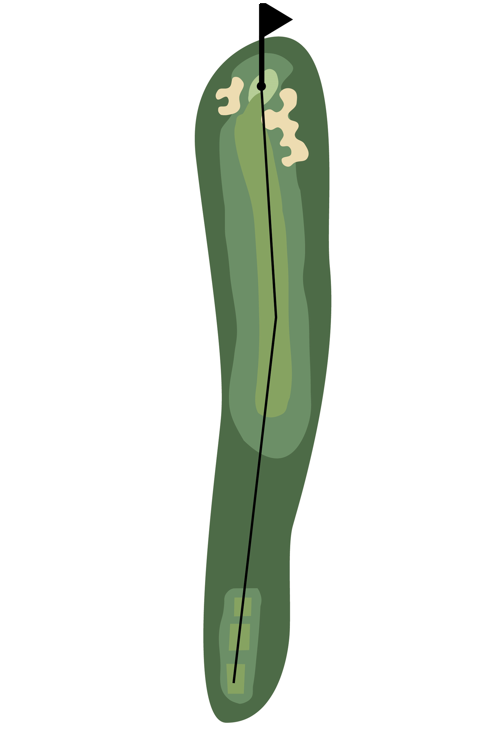
Hole 16: The Leftward Drive
Par 4, 539 yards
Expert Insight:
The green on Hole 16 is protected by two large bunkers on the right, meaning the ideal drive is to the left. Despite visual cues that might suggest otherwise, players must deliberately aim away from what feels natural to avoid these hazards. This is particularly true if the pin is tucked to the right.
Organizers can effectively conceal the pin on the right side of the green for a couple of days. Therefore, a drive positioned on the left side is crucial for achieving the best approach angle.
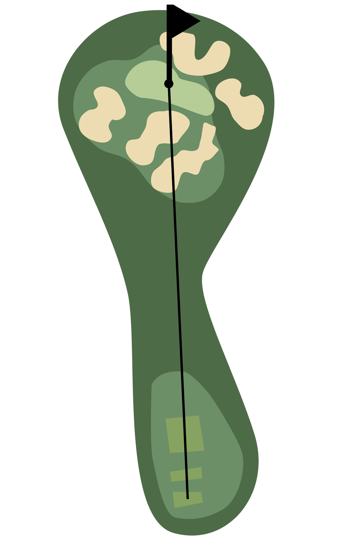
Hole 17: The Pressure Cooker Par 3
Par 3, 179 yards
Expert Insight:
Hole 17 is a dramatic and magnificent par three. It won`t be played at its full designed length, as spectator stands will occupy space behind the tee. It features a two-tier green with a lower area on the right and an upper area on the left, heavily bunkered and not very deep.
Balls could go long into a bunker or come up short, depending on how they are struck. If matches are still in contention at this point, this is the hole where nerves tighten, a true muscle-tightening challenge.
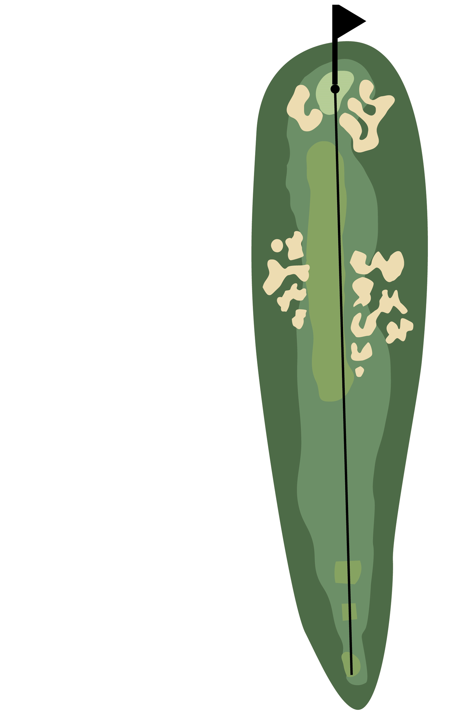
Hole 18: A Strategic Finish
Par 4, 411 yards
Expert Insight:
The final hole offers a genuine birdie opportunity, flanked by numerous bunkers on both sides. If players choose to lay up and miss right, they will be penalized. A driver might not be the optimal choice due to a long left bunker; however, flying it could lead to penalty opportunities.
The green is heavily bunkered and elevated, presenting a small target. Despite this, it`s a very good birdie opportunity if the tee shot is executed effectively. Players will need to think strategically off the tee, a hallmark of Bethpage Black that distinguishes it from championship courses with wide, tree-removed fairways. Both Scottie Scheffler and Rory McIlroy have expressed their preference for playing holes of this strategic nature.